Why 75% of Corporate Transformations Fail — And the Behavioral Signals That Predict the Winners
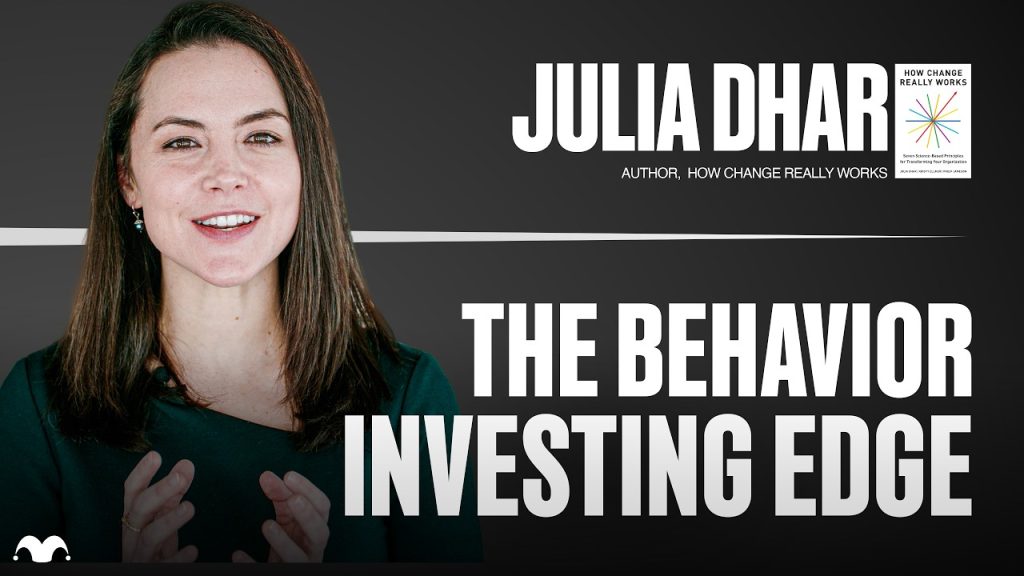

Most corporate transformations fail — roughly 60 to 75% of them, and the rate hasn’t improved in 50 years. Behavioral scientist Julia Dhar joins Motley Fool analyst Rachel Warren to explain the observable signals investors can use to tell the change efforts that will stick from the ones destined to flame out, from “threat vs. fitness vs. destiny” narratives to the “reverse Field of Dreams” trap that derails most AI rollouts.
Topics covered:
• Why 60-75% of corporate transformations fail and how behavioral science explains the rest
• The three change narratives — threat, fitness, destiny — and why mixed messaging is a red flag
• Two diagnostic questions to ask about any AI or tech spend: what must people do differently, and why would they?
• How to detect real leadership alignment vs. “false alignment” from earnings calls
• Behavioral moats: rituals from Heineken, Spanx, John Deere, Etsy, Brunello Cucinelli, and Delta Airlines
• The “change distance” problem in founder-led companies — and when it becomes the danger zone
• Why 80% of frontline workers expect AI to change their jobs but fewer than 20% have been trained
• Separating feelings from facts: the most valuable skill in long-term investing
Julia Dhar, Managing Director at Boston Consulting Group and co-author of How Change Really Works, joins Rachel Warren for this interview.
————————————————————————
This video is brought to you by The Motley Fool. Visit https://fool.com/Invest to get access to this special offer. The Motley Fool Stock Advisor returns are 993% as of 5/19/2026 and measured against the S&P 500 returns of 208% as of 5/19/2026. Past performance is not an indicator of future results. All investing involves a risk of loss. Individual investment results may vary, not all Motley Fool Stock Advisor picks have performed as well.
————————————————————————