Two very different ways of dealing with dementia patients | DW Reporter
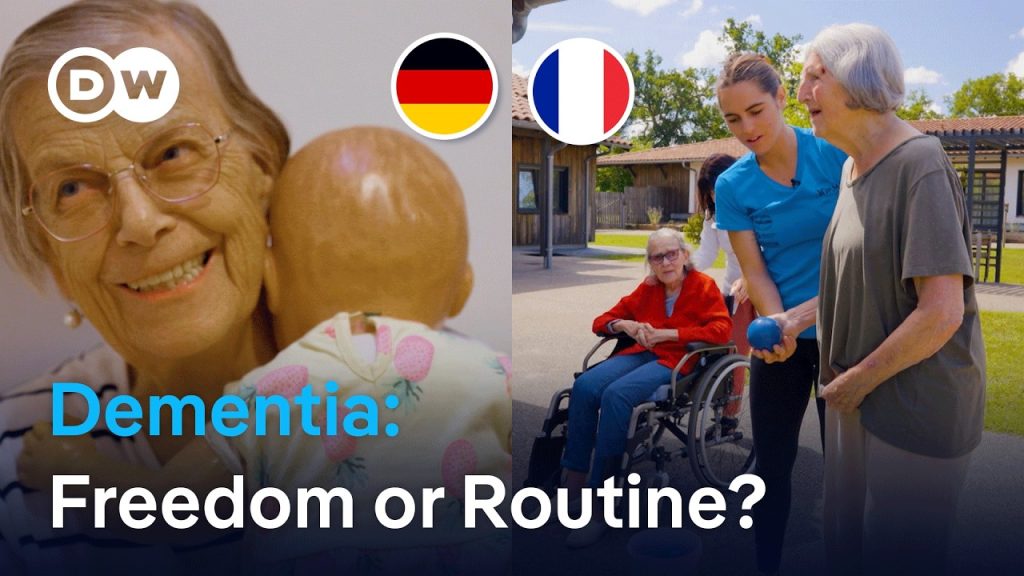

Patients suffering from dementia deserve to grow old with dignity. But what is the best path: activity and structure, or relaxation and autonomy?
Europe is aging faster than any other region in the world. As life expectancy continues to rise, so does the number of people living with dementia, posing major challenges for healthcare systems, families, and labor markets. The question is not only how long we live, but how we are able to live best when memories fade and orientation is lost.
This report compares two very different models of dementia care. In Marl, Germany, the so-called Gammeloase (freely translated: “Lazy Lounge”) is home to 14 people with advanced dementia. Its guiding principle is maximum self-determination, even if that means putting routines and efficiency second.
By contrast, the Village Landais Alzheimer in Dax, France, is designed to promote orientation and activity through a carefully structured daily routine. In this model, structure is seen not as a restriction, but as a supportive framework.
By examining these contrasting approaches, the report explores whether dignity is best preserved through the greatest possible autonomy or through thoughtfully designed structures and guidance. A report by Gönna Ketels.
Chapters:
00:00 Intro
00:57 The Alzheimer’s Village in Dax
02:49 The “Lazy Lounge” in Marl
04:37 Living as normally as possible
06:21 Dementia facts and figures
09:13 Maintaining abilities through exercise
For more news go to: http://www.dw.com/en/
Follow DW on social media:
►Instagram: https://www.instagram.com/dwnews
►TikTok: https://www.tiktok.com/@dwnews
►Facebook: https://www.facebook.com/deutschewellenews/
►Twitter: https://twitter.com/dwnews
Für Videos in deutscher Sprache besuchen Sie: https://www.youtube.com/dwdeutsch
Subscribe: https://www.youtube.com/user/deutschewelleenglish?sub_confirmation=1