Robert Kiyosaki: The Shortcut to Building Wealth Most People Ignore
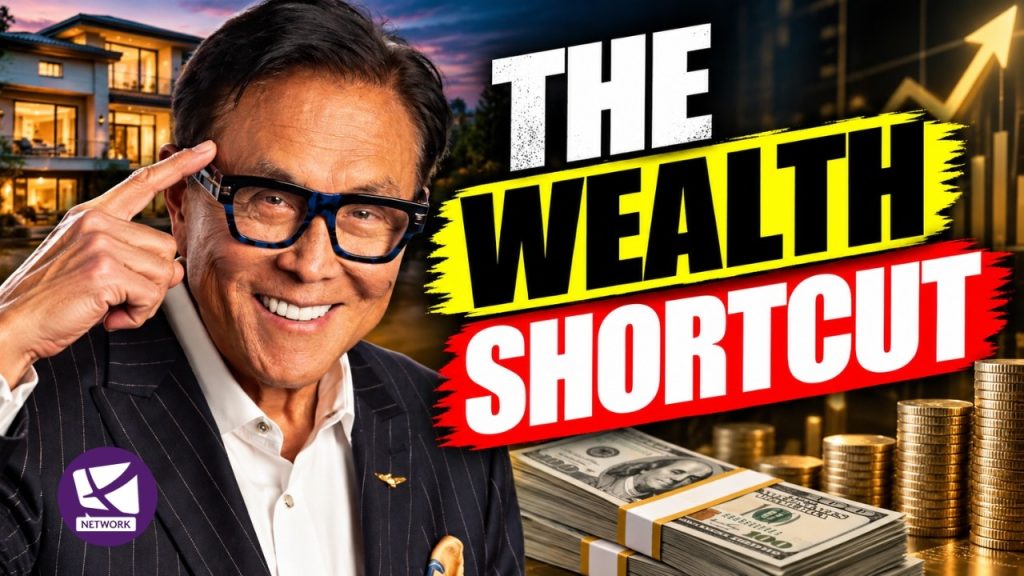

Real estate investing during uncertain markets requires investors to understand more than property prices. Market selection, debt, taxes, cash flow, economic trends, and the people on your team can all affect whether an opportunity makes financial sense.
In this episode of The Rich Dad Radio Show, Robert Kiyosaki and Kim Kiyosaki join tax strategist Tom Wheelwright and real estate investor Jason Hartman to discuss how financially educated investors approach real estate when markets are changing.
Robert challenges the conventional reaction to uncertainty: waiting on the sidelines until everything feels safe. He argues that changing markets can create opportunities, but only for investors who understand what they are buying, why they are buying it, and the risks involved.
Jason explains what he looks for in real estate markets, including cash-flow potential, affordability, business and landlord environments, demographics, and economic growth. He also discusses diversification across markets and why investors should conduct their own due diligence rather than blindly handing their money to someone offering a deal.
Tom adds another piece many investors overlook: tax strategy. He explains why the tax code can reward certain types of investment and how debt, depreciation, and other incentives can influence the economics of real estate. Rather than viewing taxes as something separate from investing, Tom argues that investors should understand tax consequences as part of the investment itself.
The conversation also examines how changing work patterns and consumer behavior could reshape commercial real estate. The group discusses hotel conversions, smaller office footprints, housing demand, healthcare, and other areas where changing economic needs may create new uses for existing assets.
You’ll learn:
-How investors can evaluate real estate during uncertain markets
-Why cash flow matters when choosing a market
-What Jason looks for in landlord- and business-friendly markets
-Why due diligence matters before purchasing property
-How debt can affect both returns and tax benefits
-Why tax strategy belongs in the investment conversation
-How commercial real estate may adapt to changing demand
-Why Robert and Kim rely on experienced coaches and advisors
-How financial education can help investors adapt as markets change
One theme connects every part of the discussion: strategies that worked in the past may not work the same way today.
The goal isn’t to predict every market move. It’s to keep learning, understand the changing environment, surround yourself with experienced people, and develop the financial education necessary to evaluate opportunities for yourself.
00:00 Introduction
01:22 Why Education Matters
02:13 Crash Opportunities
05:04 Tax Discounts Explained
06:57 Where to Invest Now
08:24 Due Diligence and Markets
10:25 Follow Low Tax States
11:56 Rich Dont Cheat
17:32 Next Macro Crash
18:39 Rents and Using Debt
21:46 Commercial Real Estate Shift
25:22 New Sectors Healthcare
—–
Disclaimer: The information provided in this video is for educational and informational purposes only. It should not be considered as financial advice or a recommendation to buy or sell any financial instrument or engage in any financial activity.
The content presented here is based on the speaker’s personal opinions and research, which may not always be accurate or up-to-date. Financial markets and investments carry inherent risks, and individuals should conduct their own research and seek professional advice before making any financial decisions.