Robert Kiyosaki: How to Create Your Own Luck With Money
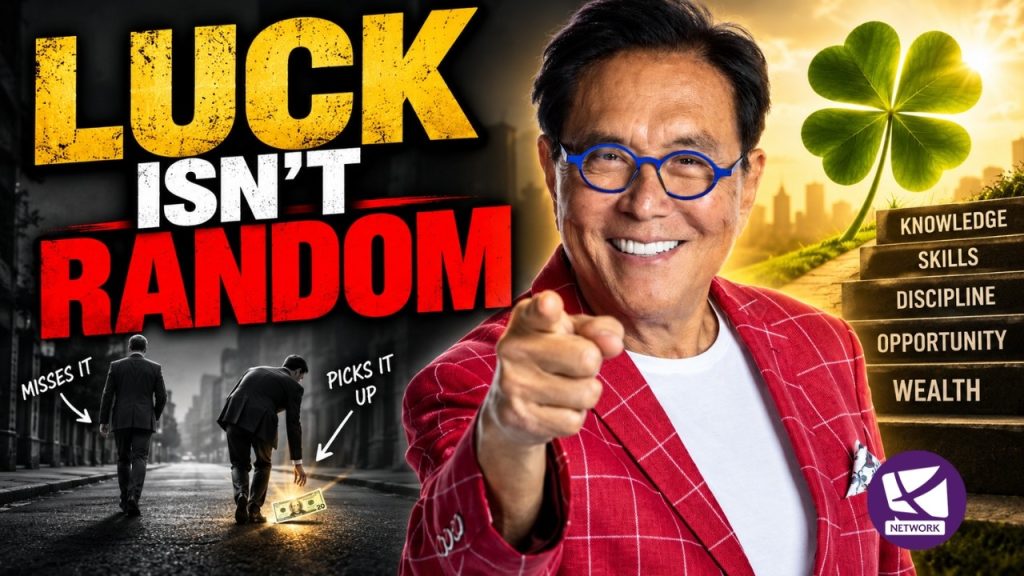

Successful investing isn’t about waiting for the right opportunity to magically appear. Robert Kiyosaki argues that what people often call “luck” is really the result of financial education, preparation, judgment, and being ready to act when opportunity crosses your path.
In this episode of The Rich Dad Radio Show, Robert challenges the idea that investors are lucky or unlucky. After decades of investing and building businesses, he explains why two people can face the same opportunity yet experience completely different financial outcomes.
The difference often comes down to what they know.
Robert distinguishes investing from gambling by asking a simple question: Do you know what you’re doing? An investor who puts money into an asset without understanding the financial statements, cash flow, debt, market cycles, or risks may simply be gambling. Someone with years of education and experience can evaluate the same opportunity very differently.
Robert also explains why he prefers investing for cash flow rather than simply buying an asset and hoping its price rises. Hoping for capital gains puts more of the outcome outside the investor’s control. Developing the ability to analyze cash-flowing investments creates a framework for making decisions instead of simply hoping the market moves in your favor.
He then shares one of the hardest lessons from his own business career. After two partners shut down his company and left him responsible for nearly $1 million in loans from friends, family, and investors, Robert could have blamed bad luck. Instead, Rich Dad challenged him to take responsibility, apologize to the people who had trusted him, repay the money, and rebuild.
That experience shaped Robert’s larger philosophy about luck: opportunity means little without the financial intelligence to recognize, manage, and keep what it gives you.
He contrasts his experience with lottery winners who received millions almost instantly but later lost their fortunes. For Robert, their stories illustrate why receiving money and possessing the skills required to manage money are two very different things.
In this episode, you’ll learn:
-Why successful investing depends on preparation more than chance
-How financial education can improve your investing odds
-The difference between investing and gambling
-Why Robert focuses on cash flow instead of simply hoping for capital gains
-How to evaluate the people giving you financial advice
-Why titles and credentials don’t automatically make someone a sophisticated investor
-How financial knowledge compounds through years of practice
-Why excessive fear can keep investors from both risk and opportunity
-How mistakes can become valuable financial education
-Why character matters when an investment or business goes wrong
Robert summarizes his approach to luck as “laboring under correct knowledge.” In other words, people who consistently appear lucky may simply have spent years developing the education, skills, relationships, and judgment required to see opportunities that others walk past.
But preparation alone isn’t enough.
Robert argues that investors also need to act. Avoiding every possible risk may feel safe, but opportunity and risk often arrive together. Someone who never invests because something could go wrong also removes any possibility of benefiting when things go right.
The lesson is classic Rich Dad: don’t wait to get lucky. Increase your financial intelligence, prepare for opportunity, surround yourself with knowledgeable people, take responsibility for your decisions, and stay in the game long enough to turn experience into skill.
00:00 Engineer Your Luck
01:09 Luck Is a Choice
02:29 Cash Flow Beats Hope
03:23 Gambling vs Investing
07:49 Chicago Million Dollar Lesson
09:35 Lottery Winners Go Broke
11:47 Opportunity Meets Preparedness
16:28 Audit Your Advisors
18:15 Action Creates Luck
20:47 Character Under Pressure
22:50 Final Takeaways and Thanks
—–
Disclaimer: The information provided in this video is for educational and informational purposes only. It should not be considered as financial advice or a recommendation to buy or sell any financial instrument or engage in any financial activity.
The content presented here is based on the speaker’s personal opinions and research, which may not always be accurate or up-to-date. Financial markets and investments carry inherent risks, and individuals should conduct their own research and seek professional advice before making any financial decisions.