How the silent decline in speaking is hurting our health and communities | DW News
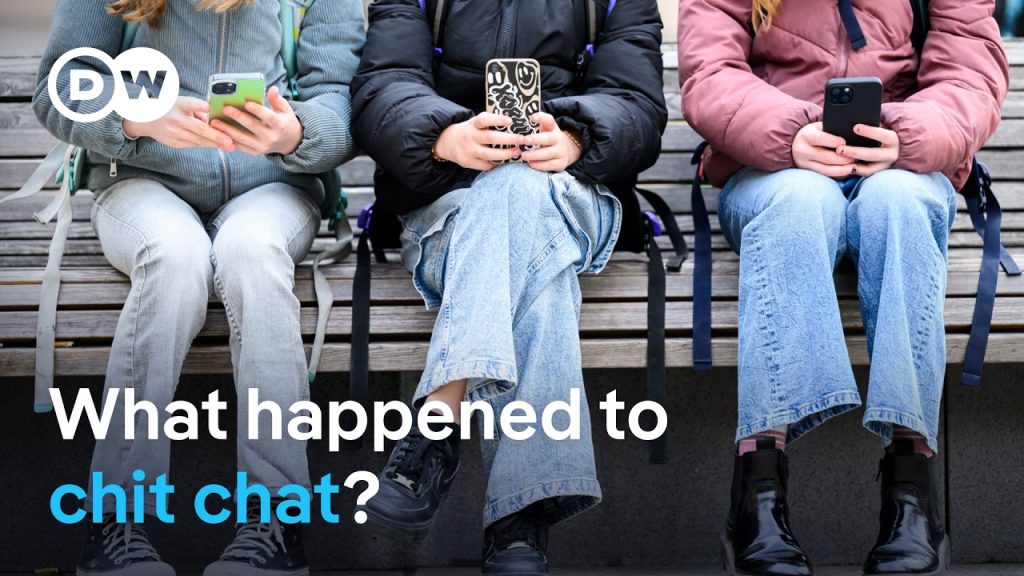

What happens when we stop talking to each other? New research suggests we’re speaking hundreds of words less every day than we were just a few years ago. The decline may have profound consequences for how we form relationships and build communities. DW host Jared Reed speaks with author Dr Valeria Pfeifer, whose research shows we’re speaking around 338 fewer words per person per day, every year. Evolutionary psychologist Professor Robin Dunbar explains why conversation may be about much more than exchanging information – it’s one of the ways humans create community. And as face-to-face interaction gives way to texting, social media and video calls, they explore what we might lose when conversation becomes less common. Could fewer everyday conversations mean weaker relationships, greater loneliness and more divided communities? And if talking to other people is a skill, what happens when we stop practicing it? Link to the research: https://journals.sagepub.com/doi/10.1177/17456916261425131
#dwcurrentaffairs
Chapters:
00:00 What happens when a society stops talking?
01:20 We’re rapidly losing spoken words
02:32 Aren’t we just being more efficient?
03:57 The evolutionary purpose of language
05:26 Is digital communication an adequate substitute?
07:00 Conversation in person is a skill
08:55 Possible impacts at a time of increased loneliness
10:19 Quality friendships help our wellbeing
10:59 Conclusion
For more news go to: http://www.dw.com/en/
Follow DW on social media:
►Instagram: https://www.instagram.com/dwnews
►TikTok: https://www.tiktok.com/@dwnews
►Facebook: https://www.facebook.com/deutschewellenews/
►Twitter: https://twitter.com/dwnews
Für Videos in deutscher Sprache besuchen Sie: https://www.youtube.com/dwdeutsch
Subscribe: https://www.youtube.com/user/deutschewelleenglish?sub_confirmation=1 #dwcurrentaffairs