How OPM Helps Investors Buy Assets and Build Cash Flow – Robert Kiyosaki
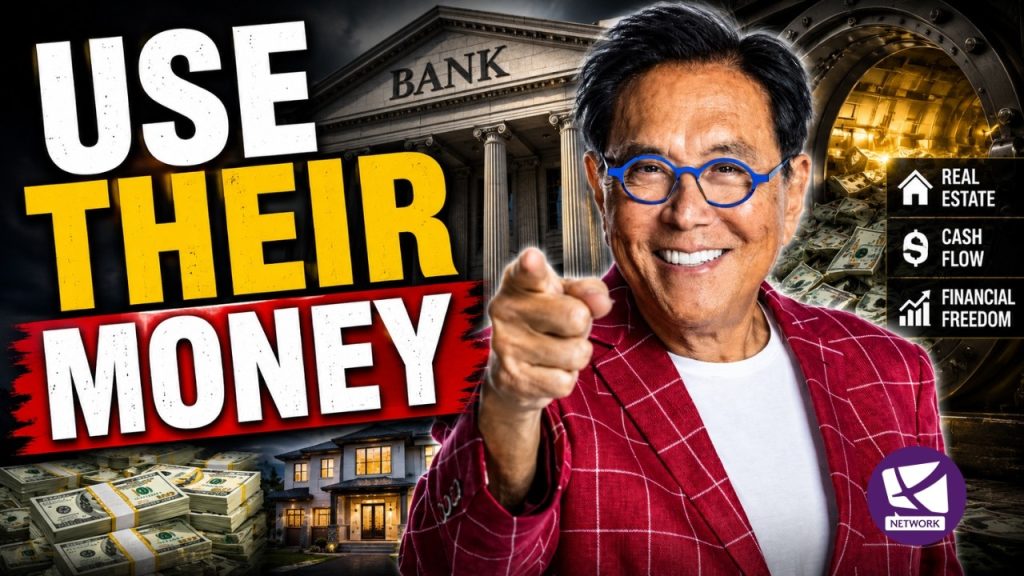

Understanding how the rich use debt starts with recognizing that not all debt works the same way.
In this episode of The Rich Dad Radio Show, Robert Kiyosaki challenges one of the most common lessons about money: that becoming debt-free should always be the goal. Instead, Robert explains why financial education—not debt avoidance—determines whether borrowing can help build wealth or destroy it.
Robert breaks down the difference between good debt and bad debt. Bad debt finances liabilities such as cars, credit cards, and consumer purchases that require you to make the payments. Good debt, in Robert’s framework, finances assets such as rental real estate, businesses, and productive equipment that can generate enough income to service the debt.
He also explains the Rich Dad concept of OPM—other people’s money. With a cash-flowing rental property, for example, an investor may use the bank’s money to acquire the asset while tenant income covers the mortgage and operating expenses. The investor uses leverage to control an asset without supplying all of the purchase capital personally.
Robert then takes the strategy further, explaining why borrowed funds generally aren’t treated as taxable income and how some investors borrow against appreciated assets rather than selling them. He walks through a cycle of borrowing against an asset, acquiring another cash-flowing asset, refinancing as equity grows, and redeploying that capital.
Finally, Robert explains the concept often called “borrow, buy, die,” including stepped-up basis for inherited assets and why some wealthy investors focus on holding and refinancing assets rather than continually selling them.
But Robert also makes an important distinction: this isn’t an argument for reckless borrowing. He stresses reserves, fixed-rate debt, disciplined leverage, sufficient equity, and working with experienced bankers, accountants, and property managers. Debt can create leverage, but without financial education and risk management, that same leverage can become destructive.
The lesson is classic Rich Dad: don’t simply ask whether debt is good or bad. Ask what the debt buys, who pays it, and whether it puts money into your pocket or takes money out.
00:00 Borrow Until You Die
01:22 Debt Creates Money
02:36 Bad Debt vs Good
03:33 Government Debt Machine
04:40 Someone Else Pays
06:15 System Built This Way
07:30 Good Debt Explained
09:26 Tax-Free Borrowing
12:27 Rigged System Repeat
14:36 IRS Rules On Loans
16:54 Borrow Buy Refinance
19:04 Stepped Up Basis
20:41 One Rule Test
22:45 Protect The Strategy
—–
Disclaimer: The information provided in this video is for educational and informational purposes only. It should not be considered as financial advice or a recommendation to buy or sell any financial instrument or engage in any financial activity.
The content presented here is based on the speaker’s personal opinions and research, which may not always be accurate or up-to-date. Financial markets and investments carry inherent risks, and individuals should conduct their own research and seek professional advice before making any financial decisions.