Why Iran doesn’t need to block Hormuz to disrupt global oil | DW News
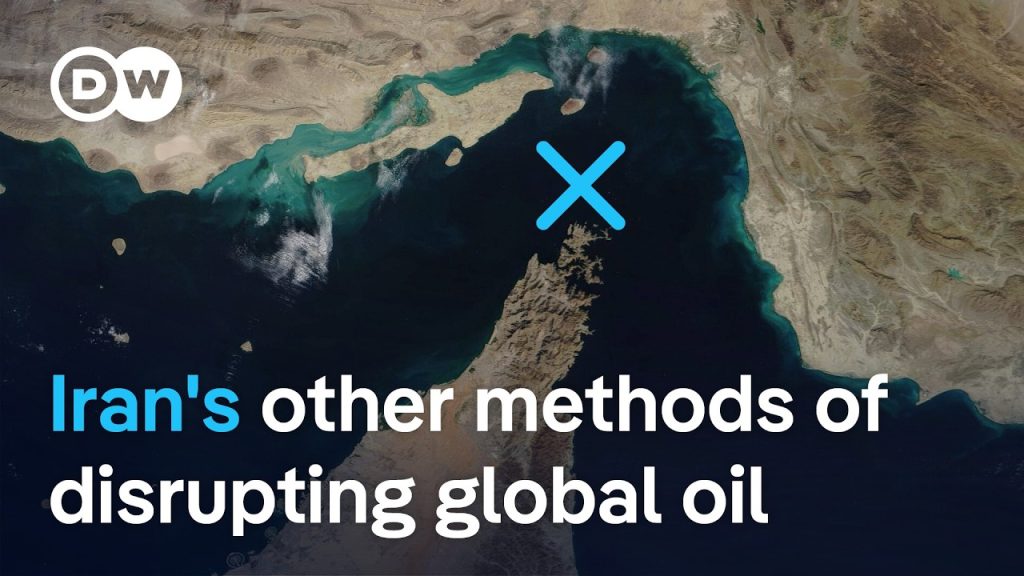

Iran has been accused of “holding the global economy hostage” as disruption in the Strait of Hormuz sends shockwaves through energy markets.
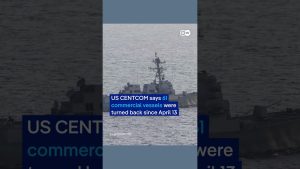
But this is not a traditional blockade. Instead, shipping through one of the world’s most critical oil routes has slowed dramatically amid attacks, rising risks, and new forms of control over access to the waterway.
The UK has brought together more than 40 countries to discuss reopening the strait, while global powers remain divided on how to respond.
In our DW News interview, maritime expert Sal Mercogliano explains:
– Why Iran doesn’t need to fully close the Strait of Hormuz
– How shipping companies and insurers are reacting
– What a possible “toll system” means
– And how Iran may still be increasing oil revenues
Around 20% of the world’s oil and gas normally passes through Hormuz, making it one of the most important chokepoints in the global economy.
Chapters:
0:00 Why the Strait of Hormuz matters
0:28 Shipping disruption explained
0:41 Analysis with Sal Mercogliano from Campbell University, North Carolina
0:59 How serious is this moment?
1:31 Why doesn’t Iran need a full blockade?
2:11 Insurance and shipping risks
4:01 The “toll system” explained
5:00 Why Iran may be profiting
7:17 What happens next?
For more news go to: http://www.dw.com/en/
Follow DW on social media:
►Instagram: https://www.instagram.com/dwnews
►TikTok: https://www.tiktok.com/@dwnews
►Facebook: https://www.facebook.com/deutschewellenews/
►Twitter: https://twitter.com/dwnews
Für Videos in deutscher Sprache besuchen Sie: https://www.youtube.com/dwdeutsch
Subscribe: https://www.youtube.com/user/deutschewelleenglish?sub_confirmation=1
#hormuz #iran #oil #dwnews